On a day-to-day basis, I work with professionals who are, in one way or another, contributing to a more sustainable world. I have fond memories of my time working in Ghana to address the water-related challenges in the country. However, I also recall that I always felt I lacked the technical expertise to really make a difference. Upon my recent return from a wonderful two months of traveling and a long flight from New Zealand, I was confronted with my own ‘bad’ and conflicting behavior and values. Knowing how polluting flying is for our planet, I also felt it was important to visit family overseas. Feeling quite powerless, I decided to explore how I could do better. I found the Stichting Klimaatpsychologie, a foundation that was set up to bring climate-conscious psychologists together to help provide answers to difficult questions such as: How can we, as people, more effectively cope with the climate crisis? And what can we do to motivate people to demonstrate behavior that slows down climate change? And most importantly, why is it so hard to change our behaviour and break through unhelpful patterns?

Learn by doing
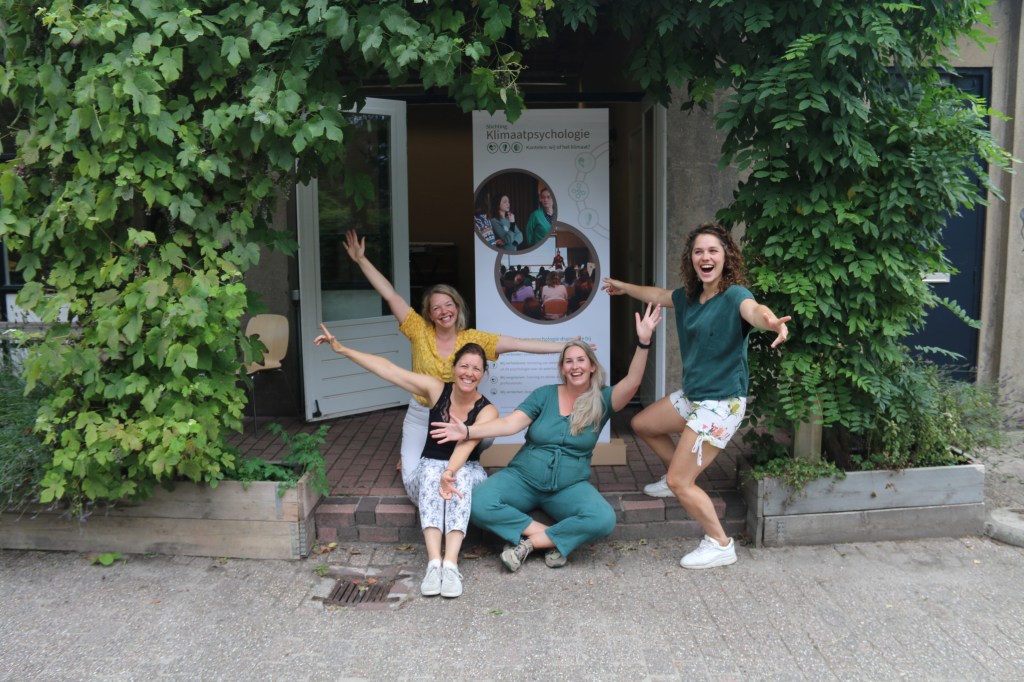
I had the opportunity to immediately dive in deep since the foundation was looking for people to help develop a 2-day course on climate psychology. Together with a team of very motivated professionals, we took it upon ourselves to develop a basic course for psychologists to boost their confidence as ‘climate psychologists.’ For me, it was a great process to be part of as it allowed me to learn by doing – an important convinction that guides how I like to work. Inspired by the questions we ourselves had, we shaped a course that allowed for: 1) a better understanding of what is actually happening with the climate, 2) a reflection on ourselves and others – how do we cope with the climate crisis and what do we see happening with others in our environment?; 3) understanding what we can do to influence behavior, and 4) exploring the changes at the systems level and what we can learn from transformative societal changes we have already gone through.
The process of designing a course from scratch was very fulfilling and made the delivery of the first pilot extremely enjoyable and insightful. We had quite high expectations and wanted to include a lot of information in little time, which is a common challenge for any trainer. We were very fortunate to have a very eager and knowledgeable audience who were able to co-create the content with us. We asked every participant to choose from a list of shortlisted theories and prepare a short presentation, visualisation, or exercise. This really helped participants to digest and enjoy an otherwise content-heavy two days.
My own insights from the course
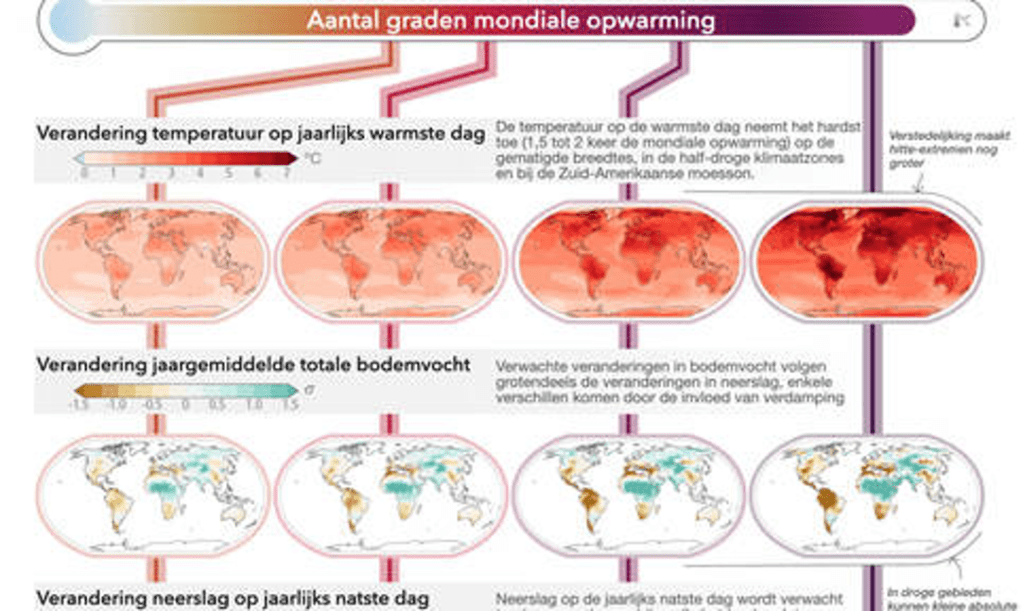
Besides it having been a very pleasant experience to co-create and co-deliver this course, I have learned a lot about my own challenges to change towards more pro-climate behavior. A very clear and inspiring talk from Margot Ribberink (the first weather ‘woman’ on Dutch television) gave me more confidence to talk about the climate in technical terms (facts vs fables). Margot was able to demonstrate so clearly how climate change is affecting us in a highly unequal manner, and that it does not make sense to look at other global challenges such as migration in isolation from climate change. To me, this serves as an important reminder why I prefer to work with organisations who are at the forefront of social change and impact. It is all connected, and we need to do better for everyone, not just a small elite.
Experiencing conflicting emotions is ‘normal’
We talked a lot about the different emotions we experience ourselves and the resistance we see in others when talking about climate challenges. The different emotions can exist in parallel, and rather than fighting them, it can help to recognise them and even embrace them. I experience guilt: that I am not doing enough, yet I am finding tons of excuses why I can’t do better right now; Fear: of the rising temperatures and what that means for my family, friends, and colleagues who already live in more affected areas. Frustration: that other people are seemingly oblivious to what is happening on our planet. Fortunately, I also experience a sense of confidence: being surrounded by others who experience similar feelings, I really believe we can do better by being open (non-judgmental) and motivating each other.
Knowing your values can help to determine your actions
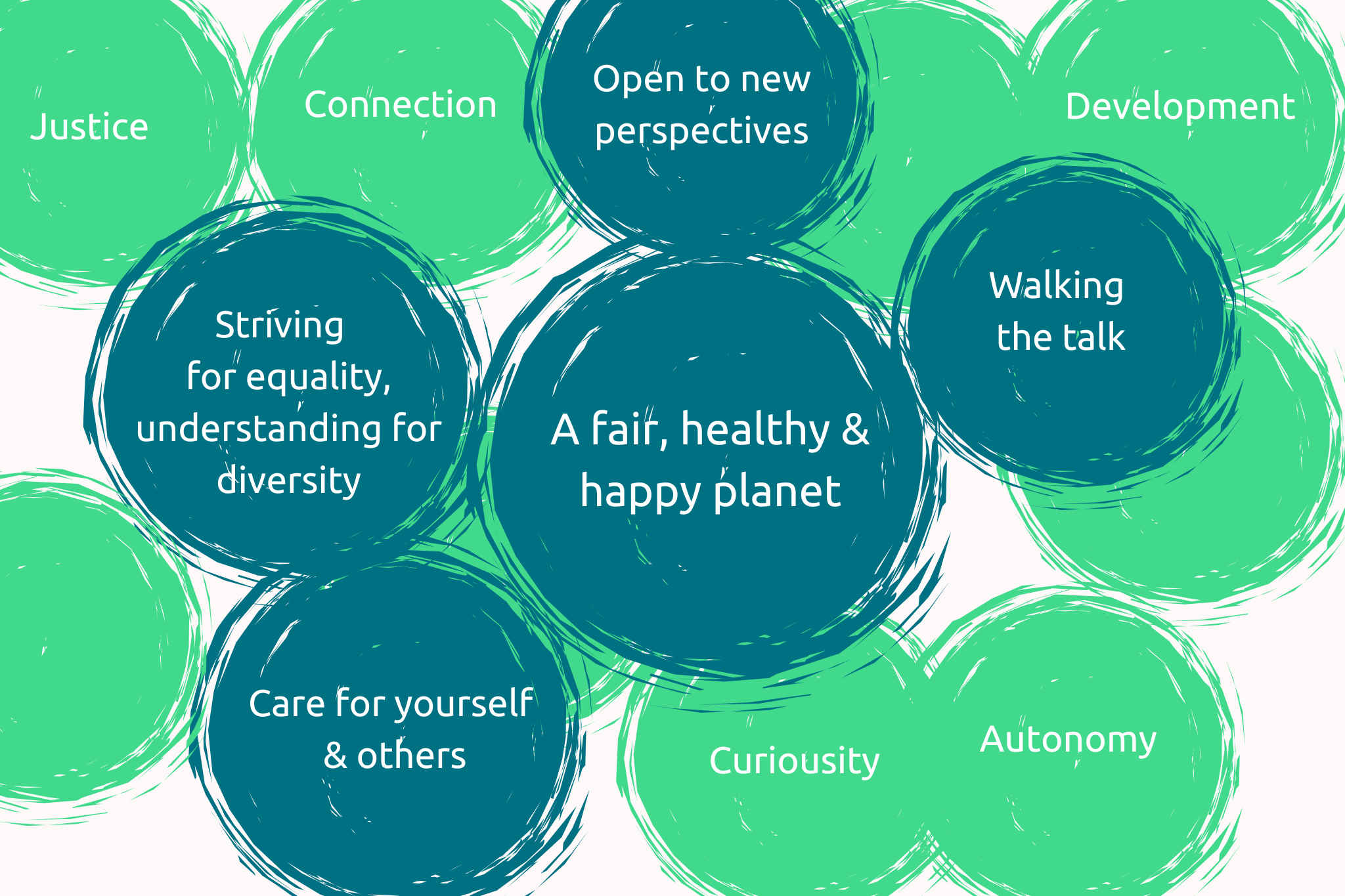
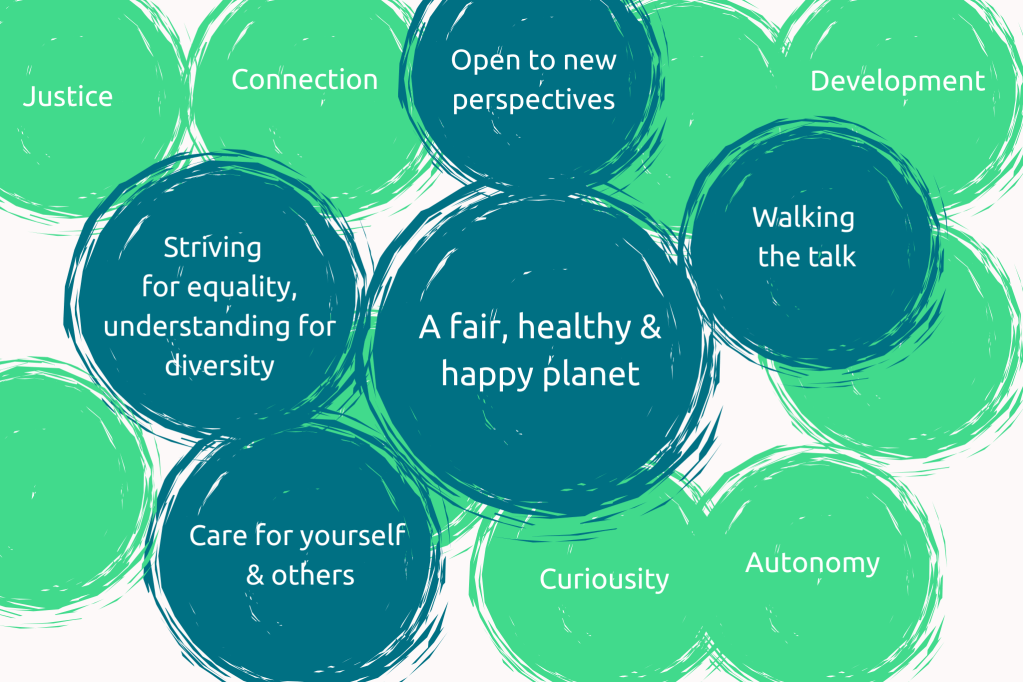
The course offered me practical insights and tips on what I can do to have a more positive handprint (instead of a negative footprint) on the planet. Buy less seems an obvious one, and at the same time our society is build around consumption. I also took inspiration from the power of ACT (Acceptance and Commitment Therapy), a methodology I already work with as a coach: Determine what values are important to you and choose actions that allow you to live more closely in line with these values.
Change is hard
Finally, reflecting on how change happens (at system and behavioural levels), I experienced once again first hand that change is hard and takes time. We often encounter resistance to change, especially if the pressure comes from others. People like to maintain control and experience the freedom to choose. It is therefore important to be intrinsically motivated to change. Change is also difficult because we often do not know where to start: we are overwhelmed with choices or the changes feel out of reach. These insights help me stay humble as a coach and trainer. And yet I find it re-assuring to know there is such a thing as a social tipping point. This serves as a reminder that every step, even if it feels minor or insignificant, contributes and matters. Taking action, no matter how small, is always better than doing nothing.
Would you also like to learn more about climate psychology? The next course (in Dutch) will take place on 8th and 9th December in the Netherlands. You can find more information here: https://www.klimaatpsychologie.com/ik-wil-een-opleiding-doen
Do you experience conflicting emotions? Do you struggle with guilt or fear, and you don’t know what to do with these feelings? Do you also want to make a change, but you don’t know where to start? Join me for a no-obligation intake to explore whether a coaching trajectory can help you.
Would you like to better understand your own footprint and explore where you can make a change for a healthier planet? Complete the questionnaire and discover your hidden impact: https://www.mijnverborgenimpact.nl/en/



 coach4good